
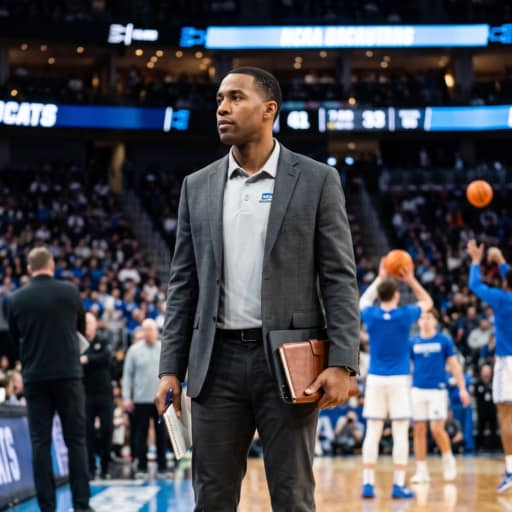
UIL State Basketball at the Alamodome in March 2026 gave Texas families, coaches, band parents, student sections, and hometown loyalists a fresh reminder: a state tournament trip is part basketball, part logistics, and all community pride. The boys tournament was held from Thursday, March 12 through Saturday, March 14, 2026, at the Alamodome, according to UIL tournament information. The girls tournament took place from Thursday, March 5 through Saturday, March 7, 2026, at the same venue, as listed in the UIL finals travel listing.
Because those championship weekends have already passed as of October 5, 2026, the best service to readers is not to frame the event as if it is still ahead. The useful work now is to study what March taught us. Every state trip leaves clues for the next wave of fans: how to buy, when to arrive, what to carry, where to park, and how to keep the focus on the kids who earned that floor.
UIL State Basketball At The Alamodome In Review
The Alamodome is a big-stage venue, but the emotional engine of the tournament still came from small towns, suburbs, border communities, metro programs, and rural districts that turned a postseason run into a schoolwide event. That is the Texas high school basketball rhythm I have watched for years: a gym season becomes a caravan season, and the caravan becomes a memory families talk about long after the nets are cut down.
What UIL State Basketball Asked Of Fans
The 2026 boys championship ticket structure rewarded fans who understood the session format before they arrived. All-tournament tickets were listed at $110 plus fees, while individual session tickets were $20 plus fees. Each session covered two games. That mattered because the venue was cleared between sessions, meaning a fan who wanted both a morning or afternoon session and an evening session needed the right tickets for each block, or an all-tournament ticket.
Tickets were fully digital, and traditional ISD or Coaching Association passes were not accepted for admission. That one detail changed the routine for some long-time Texas hoops people. For decades, coaches have been used to walking into gyms with familiar credentials, greeting the same gate workers, and sliding into a baseline seat to scout or support. At the Alamodome, the championship environment required a different approach: phone charged, ticket pulled up, and admission plan set before reaching the doors.
That may sound small, but it is a coaching point for fans. Just as players are taught to prepare before the first trap comes, families have to prepare before the first line forms. The smoothest trips in March were not built on luck. They were built on grandparents knowing where the tickets were, parents understanding session breaks, and students recognizing that leaving the building meant the plan changed.
Ticketing, Entry, And Game-Day Habits
The state tournament always tests habits. In a school gym, you may arrive 10 minutes before tip, sit with neighbors, and know every hallway. At the Alamodome, fans had to treat entry as part of the day. Clear Bag Policy rules applied, and the prohibited list included backpacks, coolers, outside food and beverages except for medical or dietary exceptions, weapons, large cameras with detachable lenses over three inches, noisemakers, and flags with poles. Spectators were also subject to metal detector screening and bag or property checks.
Clear Bags And Clear Plans
For families, the best lesson from March 2026 was simple: pack like a tournament veteran. Bring only what the rules allow, keep medical or dietary needs easy to explain, and do not assume a state championship venue works like a district gym. The no re-entry rule also shaped the day. Once fans left, they could not return on the same admission.
That policy had a real effect on family planning. If a team played early and a younger sibling needed a break, the family had to make a choice. If a coach wanted to step outside between games, that exit had consequences. If a group planned to meet relatives after parking, the best move was to settle the meeting point before entering.
There is a cultural side to this, too. Texas basketball crowds are social. We hug former players in concourses. We compare regional brackets with coaches we battled years ago. We introduce our kids to the people who taught us the game. Venue rules do not erase that community feeling, but they do require better timing. The state tournament works best when the crowd understands the building well enough to let the basketball breathe.
Parking, Travel, And The San Antonio Routine
Parking at the 2026 championships carried its own lessons. Onsite prices were listed at $20 for cars, $50 for buses, and $60 for all-tournament parking. Parking had to be bought on site, with cashless transactions used. The Alamodome did not allow in-and-out parking privileges for public patrons during the basketball state championships, so leaving the lot meant fans were not allowed back in under that parking access.
Accessible parking included 127 handicap-accessible spaces in Lot A. Ride-share and taxi drop-off and pick-up were set for Lot D at 500 Tower of the Americas Way, between Montana Street and César E. Chávez Boulevard. Those details mattered because state tournament days bring a mix of regulars and first-timers. A family from the Panhandle, a charter bus from East Texas, and a ride-share group from a San Antonio hotel all meet the same building from different angles.
The Family Caravan Still Matters
As a coach, I see travel as part of player development even when the kids are not on the floor. Young players watch how varsity teams carry themselves. They see how parents rally. They learn that postseason basketball is not just talent; it is organization, patience, and shared sacrifice.
That is why fan travel deserves respect. For some communities, a state trip means missed work, hotel coordination, meal planning, school send-offs, and late-night drives home. For others, it becomes a rare chance for alumni to gather around a team that gave the town a reason to wear the same colors again. We saw the same family-travel thread in local multi-sport settings, including our coverage of local basketball pride, where the games around the games carried real meaning for parents and athletes.
- Best March lesson: buy the right session access before the trip, especially if staying for multiple game blocks.
- Best venue lesson: treat bag rules and no re-entry as part of the schedule, not as side notes.
- Best travel lesson: decide parking, ride-share, and meeting points before reaching the dome area.
- Best community lesson: the trip belongs to the whole town, but the day runs better when one person leads the logistics.
Broadcast Access And The Statewide Audience
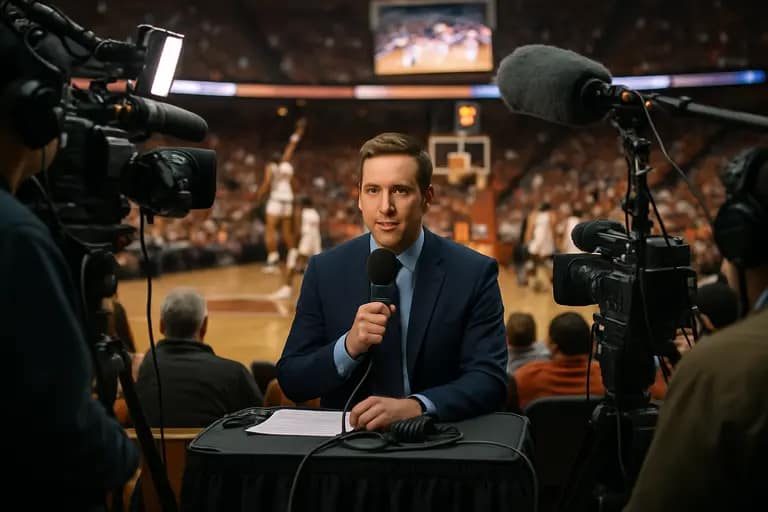
Not every fan could get to San Antonio in March 2026. Work shifts, distance, health, school obligations, and cost always shape who can make the trip. The research notes show that state final games were available through the NFHS Network, and UIL postseason broadcast rights gave that network first rights to postseason contests. For Texas high school basketball, that matters because a state final is no longer only a memory for the people in the seats.
Why The Stream Still Feels Local
The screen can never fully replace the sound of a hometown section when a guard hits a corner three. Still, broadcast access keeps grandparents connected, lets former players follow from college campuses, and gives younger athletes a chance to study teams from other regions. That kind of viewing can feed the next practice. A seventh-grade point guard in West Texas might watch a state finalist handle pressure and bring that lesson into a middle school gym the next week.
This is where Texas basketball keeps its identity. Technology may widen the audience, but the story remains local. The school name on the jersey still carries cafeteria conversations, youth league memories, and coaches who opened gyms before sunrise. The stream spreads the moment; the community gives it weight.
What The Alamodome Lessons Mean For UIL State Basketball
The biggest takeaway from the 2026 championships is that UIL State Basketball remains one of Texas school sports’ clearest meeting points between competition and community. The Alamodome setting demands professional-level planning from fans, but the heartbeat is still familiar: kids representing towns, coaches trusting habits built in November, and families measuring the season in miles traveled as much as games won.
For future championship trips, the blueprint from March is plain. Read the ticket format early. Respect the session breaks. Bring a clear bag. Assume screening will take time. Plan parking without expecting in-and-out privileges. Keep ride-share details handy. Charge the phone because tickets were digital. Most of all, remember why the trip matters.
Texas basketball has always been more than the bracket. It is the assistant coach saving seats for a player’s relatives, the band loading before daylight, the freshman watching seniors handle pressure, and the town café asking for score updates. The Alamodome may host the final weekend, but the championship run is built in local gyms long before San Antonio enters the conversation.