
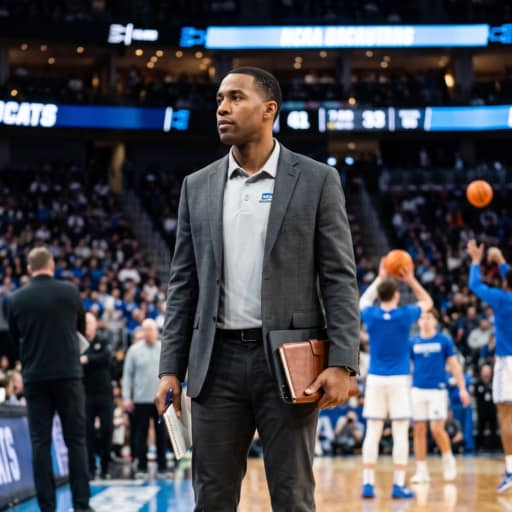
Texas Girls Basketball felt a real coaching reset across 2026, not as one single wave, but as a string of local decisions that touched gyms from the Permian Basin to East Texas, North Texas and the Houston area. By September 22, 2026, the story was already past the rumor stage: coaches had been hired, promoted, moved, retired or asked to step away, and each change forced a school community to ask what kind of program it wanted to be.
I’ve always believed a girls basketball coach in Texas carries more than a whistle. She or he becomes part teacher, part scout, part culture keeper and part public face for families who sit in the same bleachers year after year. That is why leadership change matters so much. A new coach changes practice language, offseason expectations, feeder-school relationships and the emotional feel of a locker room.
Why Texas Girls Basketball Turnover Feels Local
The 2026 coaching movement showed how varied the state’s girls basketball map can be. Some programs chose continuity. Some reached for a coach with a different background. Some dealt with retirement after long service. Others responded to records, playoff misses or the need to rebuild confidence.
The statewide girls basketball coaching carousel listed Monique Whittaker as the new head girls basketball coach at Alvin High School, replacing Justin Walker; Brenda Gomez moving from Belton High to 5A Burleson High School; and Jessica Gaines retiring after 30 years of coaching from Klein Cain High TXHSGBB coaching carousel. Those are not just personnel notes. They are community moments, because every one of those programs has players who had built routines around a previous voice.
Texas Girls Basketball Jobs Carry Town Memory
In Texas Girls Basketball, a coaching change can bring back old alumni conversations in a hurry. Parents remember who gave their daughter her first varsity minutes. Former players remember who opened the gym before school. Middle school coaches wonder whether the varsity system will still reward the habits they have been teaching.
That is why the move at Midland High stood out. DJ Weems was hired as Midland High’s head girls basketball coach on July 28, 2026, after coming from McCamey, where he led the team to a share of the 2025-26 District 6-2A title; Midland High competes in Class 6A Midland hire report. That jump from a 2A district-title share to a 6A program says a lot about how Texas schools value coaches who can build buy-in, not just manage talent.
What The 2026 Moves Tell Coaches
The pattern across 2026 was not one-size-fits-all. Bradley Jenkins was hired around July 2, 2026, as Caprock High School’s head girls basketball coach, returning to his alma mater after Caprock’s girls team went 11-19 the previous season. Dee Lewis was hired in May 2026 as Henderson High School’s head girls basketball coach and assistant athletic director after leaving Tenaha, with Henderson coming off an eight-win season. Those two cases point to different but related ideas: hometown connection and program repair.
At Princeton High School, Six Smith was asked to step down after one season in 2025-26, when the Lady Panthers finished 7-22 and missed the playoffs for the first time since 2019-20. That fact is a reminder that coaching patience can vary by district, recent standard and community expectation. Nobody who has coached in Texas needs a lecture on pressure. The scoreboard follows you to the grocery store.
Small-School Success To 6A Pressure
The Weems move to Midland High also gives coaches a teaching point. A small-school background does not mean small ambition. Texas has long produced coaches who learn to do more with fewer bodies, tighter travel budgets and multi-sport athletes. When one of those coaches steps into a 6A gym, the question becomes whether the same relationship-first approach can scale up against deeper rosters and tougher week-to-week matchups.
That is not a prediction about wins. It is a reminder of what athletic directors often search for: proof that a coach can set standards, keep players engaged and communicate with families. The classification changes, but the heartbeat of the job stays close to the hardwood.
Experience, Trust, And Program Memory
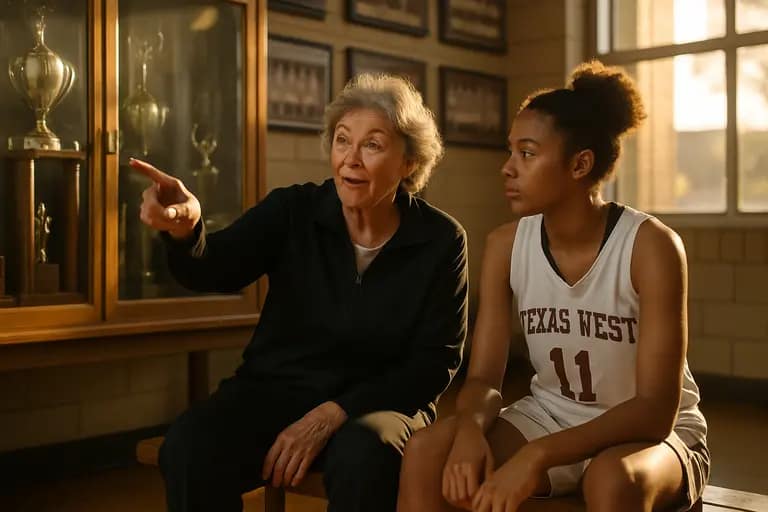
One of the strongest threads from the 2026 changes was experience. Jessica Gaines retiring after 30 years matters because three decades on a sideline shapes more than a win-loss line. Katie Stinton’s transition at Melissa ISD on March 11, 2026, into the role of assistant athletic director came after she had amassed 344 career wins, while Ashley Anderson, the former associate head coach, was promoted to head girls basketball coach for the 2026-27 school year.
That kind of internal promotion can steady a program. Players may hear a new final voice in the huddle, but many of the daily expectations can remain familiar. For families, that continuity can reduce the fear that often comes with change. For younger athletes, it can protect the path from middle school drills to varsity standards.
The same trust question sat in Decatur, where Brad Ingram, a long-time assistant at Boswell High, was appointed head girls basketball coach at Decatur ISD on June 4, 2026. Decatur had won back-to-back Class 4A Division I state titles and was aiming for a three-peat, while Ingram brought 36 years of coaching experience. A championship program does not need noise for the sake of noise. It needs a coach who respects what has already been built while still earning the locker room on his own terms.
For readers tracking the wider UIL picture, our earlier look at UIL coaching changes connects these hires to the larger question of retention, leadership and trust in girls programs across Texas.
Assistant Promotions Protect Daily Habits
Assistant coaches often know the practice gym better than anyone outside the head coach’s office. They know which player needs direct correction, which one needs a quiet word and which one is ready to lead warmups without being told. When a school promotes from within, it is often betting that those daily details matter.
That does not make every internal hire safer or every outside hire risky. It simply shows that leadership is not only about drawing up late-game sets. It is about whether a program can keep its language, its standards and its confidence through a change at the top.
Retirements Change More Than A Bench
Retirement can be the hardest kind of change for a community to process. A coach who served for decades becomes part of local timekeeping. Families say, “That was during Coach’s run,” the same way they talk about a graduating class or a playoff year.
When a veteran coach leaves, the next hire inherits memories as much as a roster. The new coach must respect those memories without coaching in someone else’s shadow forever. That balance takes humility, backbone and clear communication.
What The Coaching Reset Means For Texas Girls Basketball
The 2026 leadership shifts showed that Texas schools are still trying to match the right coach to the right community. Alvin, Burleson, Klein Cain, Midland, Caprock, Melissa, Henderson, Decatur and Princeton each reflected a different pressure point: replacement, movement, retirement, promotion, return, rebuild, championship maintenance or accountability after a hard season.
For Texas Girls Basketball, the lesson is not that turnover is good or bad by itself. The lesson is that every change reveals what a district values. Does it prize experience? Does it reward assistants who have earned trust? Does it seek a builder after a losing year? Does it believe small-school success can translate to a larger classification?
As a coach and historian, I see these moves as part of the sport’s ongoing Texas story. The game has always been local first. Before rankings, streams or statewide lists, there is a gym, a bus, a practice plan and a group of girls deciding whether they believe the person leading them. That belief is where programs rise, where communities reconnect and where the next chapter of girls basketball in Texas gets written.