
Sean Miller guards are not just names on a Texas roster sheet. They are a test of how fast a new staff can teach pace, spacing, shot judgment and college-level defensive habits to freshmen who already carry local attention. In Austin, that story has extra weight because the young perimeter group includes in-state guards who grew up inside the same Texas basketball culture that now fills Moody Center.
Miller arrived with a long head-coaching record. Texas hired him on March 24, 2025, as the 27th head coach in the history of the men’s program, bringing 21 years of head-coaching experience from stops that included Xavier and Arizona, according to Texas Athletics. That matters for freshman guards because the first year in college is rarely about one skill. It is about learning which shots travel, which reads hold up against older defenders, and which habits earn trust.
The local piece is just as important. Texas under Miller added 11 newcomers during the 2025 spring and summer recruiting and portal period, and that combined group of freshmen and transfers was ranked No. 1 nationally by 247Sports, per the same Texas Athletics bio. The 2026 freshman class of six was ranked No. 4 nationally by 247Sports and was headlined by in-state guards Austin Goosby, Bo Ogden and Marcus Spears Jr. For Central Texas fans, that means the development story is not distant. It runs through Austin, Melissa, Westlake and the family gym conversations that shape young players before college coaches ever get involved.
How Sean Miller guards Fit The Texas Plan
Why Sean Miller guards Need Pace
Miller’s stated basketball direction has leaned toward pace and space, with more transition offense and more activity in half-court movement than the slower, ball-heavy approach tied to the prior staff, according to On3’s practice and press conference reporting. For freshman guards, that is both freedom and pressure. A faster game rewards early decisions, but it also exposes poor spacing, casual passes and late defensive floor balance.
For Sean Miller guards, the teaching point begins before the ball is caught. A young guard has to sprint to the right lane, flatten a defender with spacing, and know whether the first pass creates a shot or only starts the possession. That sounds simple from the seats. It is not simple when a freshman sees college length for the first time.
The Freshman Guard Classroom
The new Texas staff inherited and built a roster where young guards are not asked to wait quietly in the corner of the program. Goosby entered the 2026-27 build as a consensus five-star prospect from Melissa. Ogden arrived from Westlake as a 6-6 guard and was named Texas Mr. Basketball on April 20, 2026. Spears gave the group another in-state perimeter piece. Those details point toward a staff willing to put Texas-born talent near the center of the project.
The skill work must match that ambition. Freshman guards need to learn the difference between an open shot and a staff-approved shot. They need to know when a catch-and-shoot three is right, when a drive should end with a jump stop, and when the best play is the pass that creates the next pass. Miller’s history as an experienced head coach gives Texas a framework, but the daily teaching still happens in ordinary moments: film pauses, shell defense, transition drills and the quick correction after a missed assignment.
Local Guards And The Austin Basketball Economy
Why In-State Names Change The Room
When a freshman guard comes from Texas, the crowd often knows the backstory before the first college basket. Ogden’s Westlake connection ties the roster to a high school program just down the road from the Forty Acres. Goosby’s rise from Melissa brings North Texas into the conversation. Spears adds another local recruiting thread to a class Texas fans had reason to track long before official practices began.
That connection has economic meaning without turning the sport into a sales pitch. Families drive in for games. Youth coaches bring players to watch warmups. Local trainers point to college footwork and defensive stance as teaching clips. Restaurants near campus feel the pull of a good home date. A freshman guard who plays meaningful minutes is not only developing himself; he becomes part of a wider basketball weekend in Austin.
From High School Star To College Role
Texas high school guards often arrive with scoring credentials. The hard adjustment is accepting role discipline. A player who was the late-clock answer in high school might be asked to sprint the wing, defend without fouling, or make a simple reversal pass. Ogden’s shooting profile from his prep and summer résumé suggests a guard with scoring tools, but the college test is consistency through contact, fatigue and scouting reports.
That is where Miller’s approach can matter most. A freshman does not need every play called for him to be developed. Sometimes the best development is learning how to matter without dominating the ball. A guard who can space properly, cut on time and guard a bigger wing gives the staff lineup flexibility. That kind of role can help a freshman stay on the floor while his full offensive package matures.
Teaching Points For Texas Freshman Guards
Shot Quality And Spacing
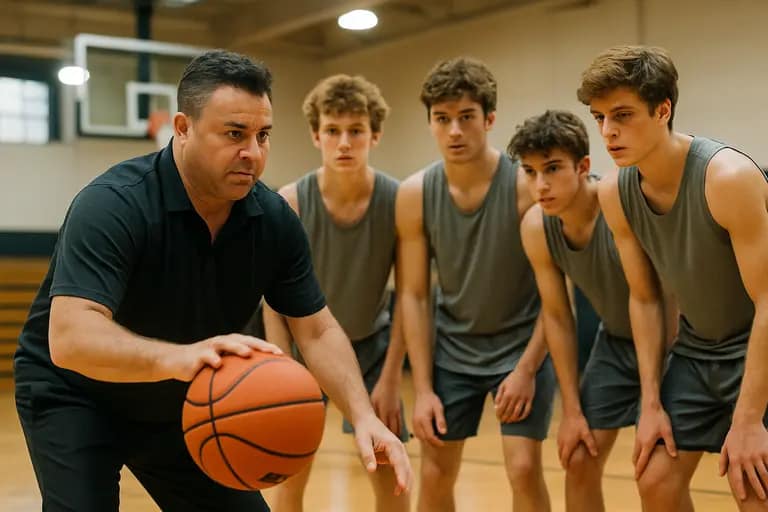
The first teaching point is shot quality. In a pace-and-space system, a quick shot can be either smart or reckless. The difference is preparation. Did the guard run to the corner with depth? Did he catch ready? Did the drive force help before the kickout? Texas does not need young guards to turn down good rhythm looks, but the staff has to define which rhythm looks fit the possession.
The second teaching point is spacing after the pass. Many freshmen relax once the ball leaves their hands. College defenses punish that. A guard has to relocate, screen, cut or lift into a better passing window. That activity fits Miller’s preference for more movement, and it gives Texas a way to use multiple young perimeter players without asking each one to be a high-usage creator.
Defense As The Fastest Path
The third teaching point is defense. Freshmen usually earn trust faster by guarding than by scoring. That means talking early, getting over screens, tagging rollers and finishing possessions with rebounds. Ogden’s size gives him a possible wing pathway. Goosby’s status as a top guard prospect brings expectation. Spears adds another competitive perimeter option. The staff’s task is to turn those tools into assignments a college team can depend on.
Defense also connects to the community story. Texas fans respect scoring, but they remember effort. A freshman who takes a charge or fights through a screen can win over Moody Center before his jumper fully settles. That is a local basketball truth from small gyms to college arenas: toughness travels.
Why Sean Miller guards Matter In Austin
Sean Miller guards matter because their development sits at the meeting point of recruiting, coaching and community pride. Texas did not simply add a freshman class ranked near the top of the country. It added in-state perimeter players whose progress will be measured by parents, high school coaches, former teammates and young hoopers across the state.
If Sean Miller guards grow into reliable college players, the payoff is bigger than one rotation. It strengthens the message that Texas can recruit local skill, teach it with pace and purpose, and keep the state’s best guards connected to Austin. That is how a program builds more than a roster. It builds a basketball identity that the whole community can recognize.