
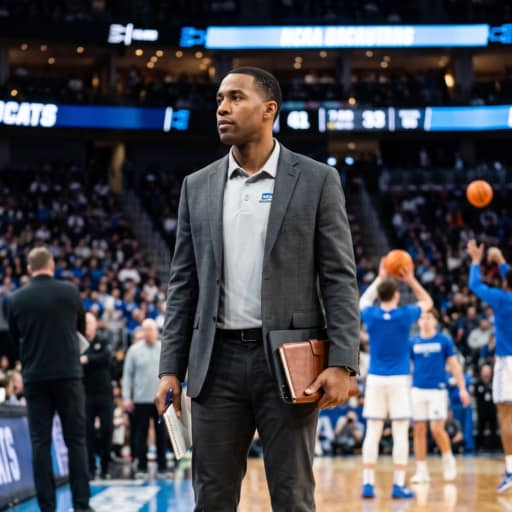
Texas youth basketball is often measured by trophies, rankings, and who got seen by the right coach. But the better measure is quieter: how many meaningful reps a young player gets before the lights feel too bright. The Labor Day Kickoff Tournament, listed for September 4-7, 2026 in the Dallas-Fort Worth metro area, gave us a useful case study in how early-season structure can shape player growth, family decisions, and coaching priorities across the state.
By September 24, 2026, that Labor Day window had already passed. That matters because we can talk about it as a planning model rather than a sales pitch. The official listing included 10U, 12U, 14U, 16U, and 18U divisions at Travel/Select AA and A levels, with a four-game minimum per team and entry fees listed at $2,195 for 10U and $2,295 for 12U through 18U teams, according to the official Labor Day Kickoff listing. Those details are not small. They frame the whole youth sports argument in Texas: opportunity needs structure, but structure has a cost.
What Texas youth basketball Learned From Labor Day
Texas youth basketball Starts With Reps
Every coach in Texas has seen the same thing in September: a player who looks confident in workouts suddenly rushes decisions against real pressure. That is why guaranteed games matter. A four-game floor gives coaches more than a single snapshot. It gives them enough possessions to see whether a guard can handle a trap twice, whether a post player can sprint the floor late, and whether a team still communicates after a rough quarter.
The Labor Day Kickoff format pointed toward a key teaching principle. Development is not just a camp drill, and it is not just a tournament bracket. It is the mix of repeated competition, film-worthy mistakes, bench teaching, and a quick return to the court. When teams get several games in a short span, coaches can find patterns. A player who misses a box-out once may have had a lapse. A player who misses it in three games needs teaching, accountability, and a new habit.
For Texas youth basketball coaches, that is where the real work lives. A tournament does not build a player by itself. It reveals what practice has built and what practice has ignored. The best programs use early events as diagnostic tools, not as identity labels. A team can lose and still learn exactly what its season needs. A team can win and still expose weak footwork, poor shot selection, or shaky help defense.
Why Early Pressure Can Help Coaches Teach
Pressure is not the enemy of young athletes when adults keep it in its proper place. Early-season tournaments place players in moments where score, fatigue, and crowd noise create stress. Those moments can help young players learn poise, but only if coaches and parents resist turning every possession into a referendum on a child’s future.
In Texas gyms, we know the difference between heat and fire. Heat forges habits. Fire burns kids out. The best youth setup gives players enough heat to grow: tougher matchups, stronger bodies, faster decisions, and the emotional demand of bouncing back after a mistake. But it also leaves space for teaching. If every weekend becomes a judgment day, kids stop experimenting. They stop asking questions. They play not to fail, and that is a hard habit to break.
This is where the cultural side of youth sports becomes plain. A child who learns to talk through a defensive coverage, accept correction, and take the next open shot after a miss is learning basketball, yes. But that child is also learning how to stand in a hard moment without folding. That lesson has value long after the tournament shirt is outgrown.
Access, Cost, And The Texas Family Equation
The Price Of Select Competition
The pressure point for Texas youth basketball is access. A team fee above two thousand dollars does not land evenly across every household. Families still have to think about travel, food, time off work, siblings, and the cost of training outside the tournament. Even when a coach keeps the program honest, the math can push some kids away from competitive settings before talent has a fair chance to surface.
That is why the local community angle matters. Texas has a long tradition of small gyms carrying big dreams, but the travel era can reward families with flexible schedules and deeper pockets. If a player from a working family cannot reach the right floor at the right time, the issue is not effort. It is access. Coaches, program directors, and community partners have to keep asking who is missing from the gym and why.
There are programs trying to keep development broad rather than narrow. Texas Mayhem, based in Fort Worth, describes year-round training, fall practice teams for grades 4-10, and work tied to skill development, strength training, basketball IQ, and exposure to national tournaments on the Texas Mayhem program page. That model shows how training and competition can sit together. Not every player needs the same schedule, but every player needs a pathway that is clear, fair, and honest about cost.
Community Programs Keep The Door Open
Basketball in Texas has never belonged only to elite circuits. It belongs to church gyms, school gyms, rec centers, driveway goals, and volunteer coaches who teach a jump stop after a long day at work. Select tournaments can sharpen players, but the base of the game is still local trust.
That is why we should judge youth development by more than the top team in an age group. We should ask whether fourth graders are learning footwork before they learn rankings. We should ask whether middle school players understand spacing before they chase highlights. We should ask whether a ninth grader who is not yet physically mature still has a place to grow. Those questions decide whether a community produces a few early stars or a healthy basketball culture.
We saw a similar community thread in our coverage of Round Rock youth basketball growth, where tournament pacing and local pride told a bigger story than one trophy photo. The lesson travels well across Texas: events matter most when they feed the next practice, the next school season, and the next group of young players watching from the bleachers.
Player Development Beyond The Bracket
Coaching Habits Beat Weekend Hype
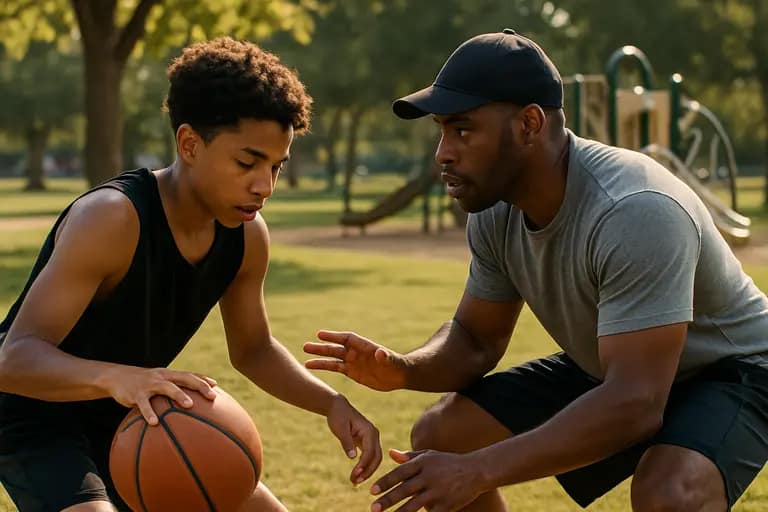
A bracket can make adults impatient. It can tempt coaches to shorten the bench too early, hide players from mistakes, and chase a Sunday result at the expense of a player’s long-term growth. I understand the pull. I have coached in gyms where one late turnover felt like it shook the whole building. But youth development requires restraint.
Good coaches use tournaments to teach roles without freezing kids inside them. A big may need post touches, but also passing reads. A quick guard may need ball screens, but also off-ball cutting. A shooter needs green-light confidence, but also defensive standards that keep him or her on the floor when the shot is not falling.
That is the heartbeat of Texas youth basketball: tough love with a teaching plan. Not every player will play in college. Not every team will win its bracket. But every player can leave a weekend knowing one or two clear areas to attack in practice. That is real development. It is specific, repeatable, and tied to the next workout.
Identity Is Built In Small Moments
The cultural impact of youth tournaments shows up in small scenes. A player shakes off a missed free throw. A bench celebrates a teammate who rarely scores. A coach corrects effort without humiliating a child. A parent chooses encouragement over sideline panic. These moments build the identity of a team and, over time, the identity of a basketball town.
Texas basketball has always been shaped by place. Dallas-Fort Worth has its scale and speed. San Antonio and South Texas bring deep community ties. Central Texas keeps growing as families, schools, and clubs feed one another. Houston’s depth is its own story. Out west, distance itself can shape toughness. Youth development works best when programs honor those local realities rather than copy a national script.
- For coaches: Treat early tournaments as teaching film, not final proof.
- For parents: Ask how a program develops skill, confidence, and accountability.
- For players: Measure progress by habits you can repeat under pressure.
- For communities: Support pathways that include late bloomers and working families.
Why Labor Day Kickoff Matters To Texas youth basketball
The Labor Day Kickoff Tournament mattered because its structure put the big questions in plain view. Age divisions from 10U through 18U showed the long runway of youth sports. AA and A levels recognized that players develop at different speeds. A four-game minimum gave coaches enough live action to evaluate. The listed fees reminded every serious adult that opportunity has a price tag.
None of that should make us cynical. It should make us responsible. The tournament model can serve young athletes when adults use it with care: schedule the games, teach from the film, protect the joy, and keep the door open for families who cannot absorb every cost. If we do that, Texas youth basketball can be more than a race for exposure. It can be a community classroom where players learn skill, toughness, humility, and pride in the name on the front of the jersey.