
ATX Summer Havoc gave Central Texas a clean late-summer read on youth development: who could handle pace, who could adjust between games, and which programs had built habits strong enough to travel. The event took place on August 1-2, 2026, at the Round Rock Sports Center, with a 3-Game 1-Day guarantee and teams playing Saturday only, according to the official tournament listing.
That detail matters. A one-day youth tournament is not just a scheduling choice. It asks coaches to teach fast, parents to plan smart, and players to show whether their practice work can survive tired legs and quick turnarounds. In Texas basketball, especially in the club and AAU space, development often shows up in those small windows: the second-half box out, the bench communication after a rough possession, the guard who learns to value the ball after a rushed first game.
What ATX Summer Havoc Revealed In Round Rock
ATX Summer Havoc Format And Teaching Value
The tournament format was direct: at least three games in one day. For a coach, that creates a tight classroom. There is not much time for a long film session or a reset speech. The teaching happens in huddles, on the walk to the next court, and during warmups when a staff has to decide whether the next lesson is shot selection, transition defense, spacing, or composure.
That kind of format favors programs with clear language. If a team has spent the summer learning the same defensive calls and offensive spacing rules, a short break between games can be enough to clean up a mistake. If not, the day can feel heavy. That is not a knock on young players. It is the truth of youth hoops. Good tournament structure exposes what has been practiced and what has only been talked about.
Competitive And Developmental Lanes
The event offered boys and girls divisions from 2nd grade through varsity, including junior varsity and varsity levels. Teams were also placed in Competitive and Developmental ability levels, with championship awards across all divisions. That setup is valuable because youth basketball is not one single track. A second-grade team learning how to space the floor does not need the same challenge as a varsity group preparing for school ball intensity.
Ability-based lanes can keep the gym useful for more families. A developing team gets a more fitting test. A stronger team gets pressure closer to its level. Both groups can leave with better feedback. That is how a weekend event becomes more than a bracket. It becomes a checkpoint for coaches trying to decide what their players need before the next school year, club season, or training block.
HV Ballers Elite And The Proof Of Program Work
Lady Ballers Closed As Champions
One of the clearest program notes came from HV Ballers Elite. The club reported that its Lady Ballers won first place in the 13U Girls division and closed their season as champions at the event, per the HV Ballers Elite site. Without published box scores or individual stat leaders from high-authority sources, the honest read stays with the verified team outcome: a division title at the end of the club season.
For 13U girls, that kind of finish can carry weight well beyond a medal. This is an age where players often start to understand roles in a deeper way. Some learn to defend the best ball handler. Some learn that a good screen can be as valuable as a shot. Some learn that a teammate’s confidence is part of the offense. A first-place finish does not prove every skill is finished, but it can confirm that a team has learned how to hold together under tournament pressure.
A Complete Showing Across The Club
HV Ballers Elite also reported that all of its participating teams brought home championships in their respective divisions on August 1, 2026. That is the type of club-wide result that coaches will study internally, not just celebrate. Were the teams winning with pace? Were they guarding without fouling? Were younger groups using the same vocabulary as older groups? Those are the questions that tell a staff whether a program identity is being passed from one age level to the next.
Texas club basketball is filled with programs trying to build more than one good roster. The lasting ones usually build habits that can travel: accountability in warmups, clear sideline behavior, shared defensive standards, and a willingness to play through rough stretches. A strong showing at ATX Summer Havoc gave HV Ballers Elite a public marker, but the bigger value is what coaches can take back to practice.
Why The Format Matters For Youth Development
Three Games, One Day, Real Coaching Choices
A 3-Game 1-Day guarantee changes the rhythm of coaching. In a longer event, a staff may have overnight time to rebuild a plan. In this format, adjustment has to be simple. That can be good for young athletes. Too much information can freeze a player. One clear correction can free them.
Here are the teaching points that tend to show up in a one-day youth tournament:
- Conditioning under decision pressure: players have to run, think, and communicate across multiple games.
- Fast emotional recovery: a missed layup or tough loss cannot carry into the next tip.
- Role clarity: bench minutes, defensive matchups, and late-game possessions test whether players accept team needs.
- Parent and staff organization: meals, hydration, arrival times, and rest periods can affect how a young team performs.
That last point belongs in any Texas hoops conversation. Youth development is a family project. Parents drive, pay fees, pack coolers, and sit through long gym days. Coaches handle rotations and teaching. Players carry the emotional load of competing. A tournament like this puts all of that into one Saturday.
Affordability And Family Planning
The listed entry fee was $210 per team, and registration closed on July 25, 2026, at 11:55 PM Central Daylight Time. Those details may look administrative, but they shape who gets organized enough to compete. A club has to collect commitments, manage rosters, arrange travel, and communicate schedules before the ball ever goes up.
For the local sports economy, Round Rock gains from being a youth basketball host because tournament families do more than enter a gym. They buy meals, fill gas tanks, and often turn a full Saturday of games into local spending. The research does not provide attendance totals or spending numbers, so no one should pretend to know the full dollar impact. Still, the pattern is familiar across Texas: youth sports events connect courts, families, small businesses, and civic sports facilities in one shared weekend.
That connection is part of why ATX Summer Havoc felt like more than a results sheet. Round Rock Sports Center served as the meeting point for elementary players, high school-age athletes, coaches, and parents all working through the same question: how do we get better before the next step?
Round Rock As A Central Texas Hoops Classroom
From Young Divisions To Varsity Tests
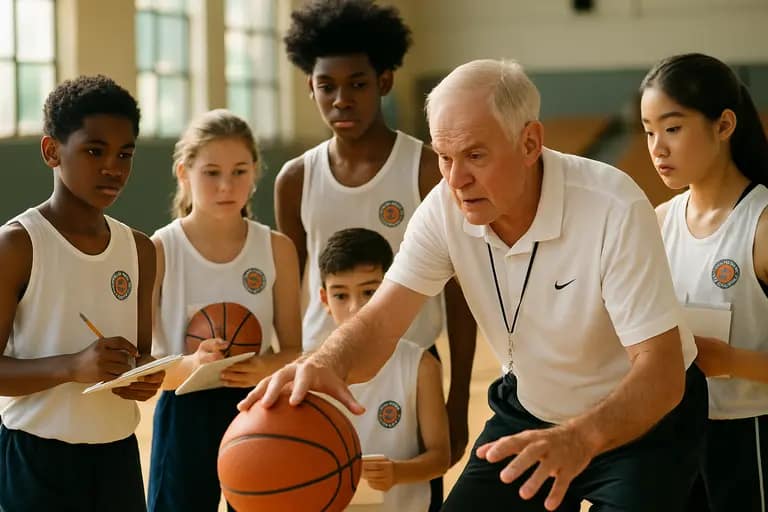
The broad age range made the event especially useful. A 2nd-grade division is about basic comfort: dribbling with eyes up, finding a teammate, learning where to stand. By junior varsity and varsity ages, the conversation changes. Players need to process scouting cues, handle physical defense, and show they can compete without losing structure.
Putting those levels under one tournament umbrella shows the full arc of development. Texas basketball is not built in one summer. It is built through repeated gym days, bracket lessons, coaching corrections, and family sacrifice. The older players once had to learn the same early lessons as the younger ones. The younger players get to see what stronger, older bodies and sharper decisions look like.
Community Identity In A Tournament Setting
There is a reason local tournaments matter in this state. Not every meaningful basketball moment happens under bright college lights or in a televised playoff game. Some of the most important moments happen when a young player realizes she can guard someone bigger, or when a quiet kid finally calls out a screen loud enough for the bench to hear.
ATX Summer Havoc gave programs a scoreboard, but it also gave them a mirror. The results showed who won divisions. The day itself showed how teams prepared, communicated, and responded. That is the Texas hoops part I care about most: the score tells you what happened, while the bench, the huddle, and the ride home tell you what it meant.
Why ATX Summer Havoc Matters For Central Texas
A Late-Summer Marker Before School Ball
By August 1, 2026, many players were near the end of club-season routines and close to shifting attention toward school-year demands. That timing gave the tournament a natural evaluation feel. Coaches could see who had improved across the summer. Families could see whether the hours and miles had produced confidence. Players could test whether their growth held up against fresh opponents.
Because the event had both Competitive and Developmental levels, the lesson was not limited to champions. A team that went home without a title may still have found its next point guard, identified a rebounding problem, or learned that its younger players are ready for a stronger challenge. That is real development, even when it does not come with an award photo.
The Local Meaning Of A Tournament Trophy
For HV Ballers Elite, the reported sweep of championships across participating teams gave the program a strong closing note. For Round Rock, the event reinforced the city’s place as a practical youth basketball stop. For Central Texas families, it offered a compact test: three games, one day, clear feedback.
The best tournaments do not pretend to finish a player’s story. They add a chapter. ATX Summer Havoc did that by matching age groups, ability levels, and a tight schedule in one facility. The trophies mattered. The greater value came from the lessons that followed players out of the gym: play harder when tired, listen faster, trust teammates, and bring the same standard back to practice.