
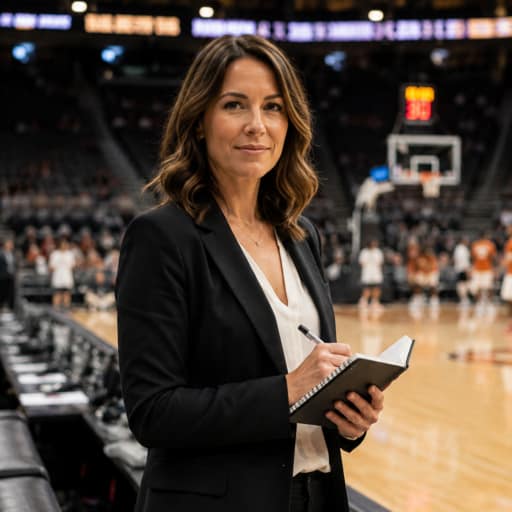
By August 31, 2026, the AOG x TPT Texas High Academic Camp had wrapped in Dallas, and academic performance recruiting had moved from background topic to center-court conversation. The camp brought together 100 high school boys student-athletes in grades 8-12, along with college coaches, scouts and media, with a clear emphasis on prospects who carried pride in both the classroom and the gym.
That matters in Texas. Around here, basketball is not just a box score in winter. It is early rides to practice, parents in bleachers after long workdays, teachers checking in on test weeks and coaches asking whether a player can handle the next level as a whole person. A camp built for academically driven players gave those stories a stage after the August 2026 event was complete.
Academic Performance Recruiting In Dallas
Why Academic Performance Recruiting Fit The Camp
The Dallas camp’s design sent a clear message: exposure is not only for the highest flyer or the hottest shooter. It also belongs to the student-athlete who has built habits in class, stayed steady through a school week and still shown up ready to guard, run and compete. That is why academic performance recruiting felt so natural for this event. The camp targeted prospects who were trying to prove college fit through two lenses at once.
The local value is easy to see. Texas high school basketball has so many different pathways: large suburban programs, small-town gyms, private school circuits, city leagues, late bloomers and multi-sport athletes. A student who can pair academic strength with on-court production may catch the eye of institutions that care about roster reliability, campus fit and long-term growth.
What The Dallas Format Put On Display
Because the camp included college coaches, scouts and media, the August 2026 setting offered more than drills and scrimmages. It created a shared evaluation room. Players were not only measured by how they scored in traffic. They were also presented as prospects whose academic drive could shape how a coach viewed risk, discipline and readiness.
That is where Texas families should pay attention. A player’s transcript does not make a jump shot, but it can keep doors open. It can also tell a college staff something about daily habits. In recruiting, especially outside the narrow band of nationally known prospects, those habits can help a staff decide who is prepared for travel, practice, study hall, campus life and the grind of a college schedule.
Grades As A Recruiting Signal
Eligibility Is More Than A Checkbox
The NCAA Division I initial eligibility standard includes a minimum 2.30 GPA in NCAA-approved core courses before full-time enrollment, among other academic requirements. Division II moved its initial eligibility GPA requirement to 2.2 for student-athletes enrolling on August 1, 2018, or later, with sliding scales connecting core-course GPA and standardized test scores. Those numbers are not recruiting slogans. They are gatekeepers.
For a Texas prospect, that means academic planning cannot wait until senior spring. Course choices, grades and test preparation are part of the recruiting calendar, just like summer events and fall workouts. The August 2026 Dallas camp sat right in that reality. It showed why prospects in grades 8-12 need steady guidance long before signing day talk begins.
Character, Major Fit And Coach Trust
Recruiting conversations often sound athletic first, but academic achievement shows up in the way coaches think about dependability. Research on FBS football recruiting evaluation found that academic achievement was the most commonly referenced facet of character in the material studied recruiting evaluation research. The sport in that study was football, not basketball, so we should not stretch the finding beyond its setting. Still, it offers a useful reminder: college coaches often connect classroom performance with the kind of trust they need inside a program.
That trust matters in basketball recruiting because a coach is not only building a rotation. A coach is building a locker room, a travel group, a practice culture and a campus presence. If a player can show a pattern of finishing assignments, keeping eligibility in order and communicating with adults, that player gives evaluators more than film.
- For players: grades can support the case that athletic talent is paired with follow-through.
- For families: academic fit can reduce uncertainty during the college search.
- For coaches: classroom habits can help forecast who may adjust to college demands.
- For Texas programs: academically prepared prospects can strengthen a team’s reputation beyond wins.
The Texas Family View Of Fit
Why The Major Still Matters
A 2025 qualitative study of 33 student-athletes at a small Midwestern Division II university identified academic and athletic balance, academic reputation and availability of a preferred major among central factors in college choice, along with athletic program quality and financial aid. That finding lines up with what many Texas families already ask in quiet moments: What will my child study? Who will support him? What happens if basketball does not go exactly as planned?
The AOG x TPT event fit that family-centered lens. A camp for academically driven prospects does not treat school as decoration. It asks whether a player’s basketball dream and academic plan can live together. That question is especially meaningful for first-generation college hopefuls, families weighing travel costs and players trying to compare different levels of college basketball.
Brand, Community And Academic Reputation
College choice is emotional, too. The study titled Revisiting the Flutie Effect found that athletics branding influences college choice through winning, community and fandom, while academic reputation remains a key part of institutional appeal college choice study. That mix should sound familiar in Texas, where a school’s name can carry family meaning, regional pride and a sense of belonging.
For basketball prospects, the campus fit conversation is not separate from recruiting. It is part of the same evaluation. The right program has to answer basketball questions and life questions. Can the player grow? Can the family trust the support system? Can the academic path match the young man’s goals? Those questions were the heartbeat of the Dallas camp’s value.
What Academic Performance Recruiting Signals To Texas Families

A Wider Definition Of Exposure
Exposure can be misunderstood. It is not only a highlight clip, a social post or a gym full of evaluators. For the 100 boys at the August 2026 Dallas camp, exposure also meant being seen as students. That is a powerful shift for a Texas basketball community that includes players who may not all fit the same recruiting mold.
NCAA research continues to study academic, athletic and social experiences across college divisions. The 2024-25 GOALS study surveyed more than 20,800 student-athletes from 493 institutions across Divisions I, II and III, with topics including recruitment, college choice and academic support services. That scale reinforces what families feel on the ground: recruiting is about more than the offer. It is about whether the support structure matches the student-athlete.
What Coaches Could Take From Dallas
For Texas high school coaches, the camp offered a useful talking point after August 31, 2026. If a player wants more recruiting interest, the answer may not be limited to more shots or another tournament. It may include stronger course planning, better communication with counselors and a clearer academic profile for college staffs.
The timing also mattered because the NCAA adopted changes on April 15, 2026, to pre-enrollment eligibility rules for prospective athletes enrolling in Fall 2026-27, including clarified rules around draft withdrawal deadlines, agent interactions and prize money before college enrollment. Rules keep shifting, but the local message stays steady: families need to ask questions early, and coaches need to treat academics as part of player development.
Why Academic Performance Recruiting Stays Local
The AOG x TPT Texas High Academic Camp gave Dallas a clear post-August 2026 snapshot of where recruiting can go when classroom pride is placed next to competitive fire. It did not replace traditional evaluation. Players still had to play. Coaches still had to judge pace, skill, toughness, decision-making and fit. But the event widened the conversation in a healthy way.
That is good for Texas basketball. It honors the teacher who stays after school, the coach who checks grade reports, the parent who asks about majors before uniforms and the player who refuses to choose between books and buckets. The camp’s community value was not just in who got noticed that week. It was in the message sent to younger players watching the pathway form: your report card can be part of your recruiting story.
If Texas basketball wants stronger college fits, stronger player development and stronger family trust, camps like the August 2026 Dallas event show a useful model. Put the gym work on display. Put the academic record in the conversation. Then let college programs evaluate the full student-athlete, not just the stat line.