
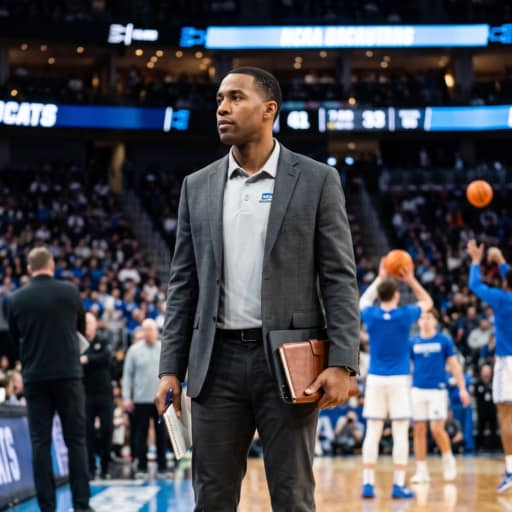
Moody Center access is not just an arena operations topic. In Texas basketball, access shapes who gets to feel the band in their chest, who brings a child to a first college game, who can reach a seat without stress, and how a city claims a team as part of its weekly life. As a coach and historian, I look at a building like Moody Center the same way I look at a strong half-court set: spacing matters, timing matters, and everybody needs a clear path to the play.
The Moody Center opened on April 20, 2022, replacing the Frank Erwin Center, with John Mayer as the first public event, according to the venue’s venue fast facts. That date matters because Texas basketball did not just change buildings. It moved into a new public stage in Austin, one built for concerts, campus events, and Longhorn hoops, but judged every game night by a simpler question: can people get in, feel welcome, and connect to the team?
Moody Center Access Starts With The Seat
Moody Center Access By The Numbers
The first access point is the seat itself. Moody Center is listed at 15,000-plus for general events, while UT basketball capacity is 10,763, with standing-room overflow possible for basketball, according to the UT Athletics facility page. That smaller basketball number is not a minor detail. It tells us the building was not simply made to hold the largest possible crowd. It was set up to make basketball feel close.
That has cultural weight in this state. Texas basketball has always lived in tight gyms, loud field houses, and town crowds where every missed box-out gets discussed at the grocery store. A major college arena can lose that feeling if it spreads people too far apart. The Moody Center basketball configuration works against that problem by keeping the court from feeling swallowed by the building.
Why A Smaller Basketball Bowl Matters
From a coaching chair, close seating changes behavior. Players hear defensive talk. Officials feel the crowd’s reaction. Student sections can affect rhythm without needing a football-sized crowd. Parents and young players in the upper sections still see the shape of the game: spacing, help defense, cuts, and how a possession develops.
This is where Moody Center access becomes more than admission. If the building gives fans a clear view and a shared sound, it helps teach the game. A middle-school guard from Round Rock or Bastrop can sit with family and see how a college team handles pressure. That is player development by exposure. No clinic whistle required.
A New Austin Home For Texas Basketball
From The Erwin Center To A New Standard
The move from the Frank Erwin Center to Moody Center marked a clear shift in how Texas presents basketball on campus. The Erwin Center carried memories for generations of Longhorn supporters, but the new building tied basketball to a broader event calendar in the heart of the university’s public life. Research notes list Moody Center as programmed for more than 150 event nights per year, including UT men’s and women’s basketball, concerts, family shows, and cultural events.
That mix matters. A family may first enter the building for a concert, then return for women’s basketball. A student may learn the entry flow at a campus event, then bring friends to a men’s game. A venue becomes part of the community when it is used often enough that people stop treating it as unfamiliar territory.
Texas basketball has seen this pattern before. Courts become gathering places before they become memory places. The school gym, the regional tournament site, the old college arena, the downtown field house; each one earns meaning through repeated use. For deeper historical context on how the game first had to earn space in the state, our piece on when basketball came to Texas tracks why place has always shaped the sport here.
Public-Private Design And University Use
The building also tells a modern sports business story. Moody Center cost about $375 million to build, was created through a public-private partnership, sits on land and in a building owned by the University of Texas, is managed by Oak View Group, and UT retains about 60 days per year for athletics and university events, per UT Athletics. Those facts explain why the arena must serve several groups at once.
For basketball people, the key issue is whether that structure still protects the home-court identity of Texas basketball. A building with concerts and family shows can still be a true hoops home if the basketball nights feel distinct. The seating bowl, student presence, court presentation, and crowd flow all help answer that. Venue access is part of identity because it decides whether the regular fan, the young player, the alum, and the visiting family can participate without feeling pushed to the edge.
Access Is Also About Arrival And Welcome

Entry Rules Shape Who Gets In Smoothly
The research notes point to mobile-only ticketing at Moody Center, with printouts and screenshots not accepted, and with the box office and Ticketmaster identified as authorized vendors for non-UT events. That policy affects more than convenience. It affects grandparents, families sharing tickets, youth teams arriving in groups, and anyone who does not live on their phone.
Good access requires clear communication before game day. Coaches know this from road trips. If players do not know the bus time, meal plan, jersey color, and scouting assignment, the night gets harder than it needs to be. Fans are no different. The smoother the entry process, the more attention people can give to the court instead of the gate.
Mobility, Restrooms, And Family Needs
The research notes also describe ADA compliance, accessible entrances such as West Gate A, assistive listening devices, wheelchair escort services, single-occupancy and family restrooms, and a nursing pod on the main concourse. Those details may not show up in a box score, but they decide whether some families can take part in Texas basketball in person.
This is where Moody Center access carries a community responsibility. Basketball crowds are not made of one type of person. They include veterans, kids, people recovering from injury, older alumni, fans with disabilities, new parents, and visiting supporters trying to understand an unfamiliar building. A true home court makes room for all of them.
Transportation matters too. Research notes say nearby garage permit holders may be affected two to three hours before events, parking pre-purchase is encouraged, and traffic disruptions have been expected because of construction, including the permanently closed I-35 upper deck exit-ramp and MLK Bridge work. In Austin, arrival is part of the game-night story. A late entry can mean missing warmups, introductions, or the first run that sets the tone.
What Moody Center Access Teaches Texas Hoops
The Coach’s View Of Home Court
From the bench, a home court is not just noise. It is routine. Players shoot better in spaces they know. They defend with more energy when the crowd rewards effort plays. Young reserves learn confidence when they check in before people who understand the program. Moody Center gives Texas a modern stage, but the basketball value still comes down to repetition, comfort, and community investment.
That is why Moody Center access should be treated as part of program culture. If students can get there, if families can enter without confusion, if fans with mobility needs are accounted for, if the building feels close to the floor, then the team gains more than ticket scans. It gains a room that breathes with the game.
The Historian’s View Of Place
Texas basketball history is full of buildings that changed how people saw the sport. Small gyms taught toughness. Regional arenas taught scale. College facilities taught young players what the next level looked like. Moody Center now sits in that line, not because it is new, but because it forces Austin and UT to define what access should mean in a modern basketball venue.
The strongest arenas do not erase the past. They carry the best parts forward: closeness, shared pride, clear sightlines, and the feeling that a game belongs to more than the people closest to the floor. On September 10, 2026, the most useful reflection is not whether Moody Center replaced an old building well. It is whether Moody Center access continues to bring more of the Texas basketball community into the sound, rhythm, and memory of the game.