
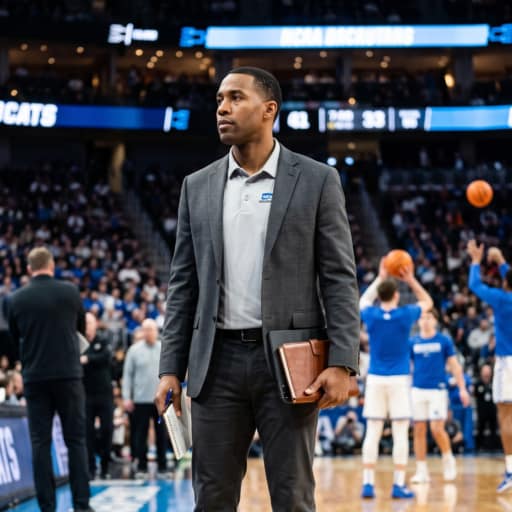
Texas Longhorns basketball enters the 2026-27 build-up with something Austin has not always had in late October: proof that the program can absorb pressure, win NCAA Tournament games, and still have clear room to grow. As of Oct. 22, 2026, the task is not to sell hope. It is to judge whether Sean Miller’s second Texas team can turn a Sweet 16 run into a steadier SEC identity.
The 2025-26 season gave the Longhorns a firm starting point. Miller led Texas to a 21-15 record, a 9-9 mark in SEC play, and NCAA Tournament wins in the First Four, Round of 64, and Round of 32 before a 79-77 Sweet 16 loss to Purdue, according to the Texas season review. That ending hurt because it was so close. It also mattered because March validated the direction of a staff still installing standards in Austin.
Texas Longhorns Basketball Starts From Proof
Texas Longhorns Basketball And The Sweet 16 Standard
There is a difference between chasing belief and defending it. Texas no longer has to explain whether Miller can get the Longhorns into a national bracket fight. The 2025-26 group already did that. The next question is sharper: can the 2026-27 team avoid the midseason drift that left Texas even in SEC play before it found its tournament rhythm?
That matters in Austin because Longhorn basketball is never just about the forty minutes on the floor. It connects students, alumni, former high school standouts across the state, and families who build winter calendars around home games. A team that plays with identity gives the community something to recognize from night to night. A team that only flashes talent forces everyone to wait for March before knowing what it is.
The Offense Set The Bar
The offense was the great joy of 2025-26. Texas averaged 82.8 points per game and shot 48.4 percent from the field, the program’s best scoring average since 1994-95 and its first season above 48 percent shooting since that same campaign, per the same Texas review. That is not a small coaching note. That is a cultural marker. In a state where guards are raised on pace, spacing, and bold shot-making from Houston to Dallas to San Antonio, the Longhorns played a brand that felt connected to Texas gyms.
For Texas Longhorns basketball, the challenge is keeping that flow while replacing pieces and resetting roles. A high-scoring team can mask mistakes for stretches. A mature team scores without needing chaos. That is the line Miller’s staff has to walk with a changed roster: keep the green light, but demand cleaner possessions when SEC games slow down.
The Defensive Test In Austin
What 76.2 Points Allowed Tells Coaches
The hard coaching conversation starts at the other end. Sports-Reference lists Texas at 76.2 points allowed per game for 2025-26 on its team statistics page. That number explains why a Sweet 16 team still entered the offseason with a direct assignment. The Longhorns could score with almost anyone. They did not always make opponents work long enough, late enough, or physically enough.
Defense is where a staff learns whether a roster truly trusts one another. Closeouts, help rotations, transition communication, and defensive rebounding are not glamour work. They are habit work. In Texas, where player development often gets judged by scoring punch, the 2026-27 Longhorns may be measured just as much by whether they can sit down for five straight possessions in a January SEC road gym.
Why Stops Travel In The SEC
The research notes for this preview point toward higher expectations in SEC play, including outside projections around the top third of the conference and near a 12-6 league record. That should be treated as a forecast, not a result. The SEC does not hand out clean paths. It tests frontcourt strength, guard toughness, bench discipline, and emotional control.
The Longhorns do not need to become a slow team to become a better defensive team. They need to become a connected team. If the offense remains near the level it reached in 2025-26, even a moderate defensive jump would change how opponents prepare for Texas. Coaches across the league would have to plan for both the scoring runs and the stops that end their own runs.
Roster Competition And Local Identity
Transfer Help Meets Returning Size
The roster notes supplied for the 2026-27 preview identify Matas Vokietaitis as the lone returning starter, with his 2025-26 production listed at about 15.6 points and 7.1 rebounds per game. That gives Texas a real anchor. In college basketball, returning size with proven scoring touch is not a luxury. It is a teaching tool. Young guards can learn where the ball needs to go. Transfers can find spacing rules. Coaches can build early offense through a player who already knows the physical demands of the league.
The incoming group named in the research includes Isaiah Johnson from Colorado, David Punch from TCU, Mikey Lewis from Saint Mary’s, Elyjah Freeman from Auburn, and freshmen Marcus Spears Jr., Austin Goosby, and Bo Ogden. Because these are preseason roster expectations, fans should read them as the working shape of the team rather than a final rotation. Still, the mix tells a story: Texas wanted more answers, more lineup options, and more ways to handle foul trouble or cold shooting nights.
Freshmen Give The Bench A Texas Feel
Freshmen rarely win on reputation once the ball goes up. They win when they defend a second action, sprint to the corner, make the extra pass, and accept coaching after mistakes. The research notes identify Spears, Goosby, and Ogden as key young names. Their development could decide how deep Miller can go before SEC play becomes a possession-by-possession fight.
That is where local pride enters the conversation. Austin basketball people want star power, but they also respect earned minutes. The Erwin Center era taught that. The Moody Center era has reinforced it. If young players accept defensive jobs before demanding offensive freedom, the bench can become more than depth. It can become the difference between surviving league play and building momentum through it. For a wider view of how the schedule ties into the city, our Austin hoops schedule lens fits this same community thread.
What Austin Should Measure In 2026-27

Three Signs The Plan Is Taking
Fans do not need to wait for March to know whether the 2026-27 group is growing. A few signs should show up much earlier. First, watch how Texas guards the first six minutes after halftime. Good teams adjust in the locker room. Serious teams bring those adjustments onto the floor. Second, watch defensive rebounding when Vokietaitis rests. If the Longhorns hold their shape without their returning starter, the roster is deeper than a list of names. Third, watch late-clock offense. Last season’s scoring numbers were strong, but tournament-level teams need a reliable answer when the first action gets covered.
- Best sign: Texas keeps scoring while cutting down opponent runs.
- Biggest concern: New lineups take too long to communicate defensively.
- Most important growth area: Bench players earning trust before conference pressure peaks.
Why Texas Longhorns Basketball Matters Beyond March
Texas Longhorns basketball has always carried more weight than one campus. It pulls from the state’s high school gyms, from junior college toughness, from transfer stories, and from Austin’s growing appetite for major college hoops. When the Longhorns defend well, share the ball, and play with force, young players across Texas see a model that feels close enough to chase.
That is why Miller’s second season matters. A coach’s second year often reveals what is negotiable and what is not. Shot selection, floor balance, defensive effort, and practice habits begin to look less like requests and more like program rules. The 2026-27 team has enough projected talent to raise expectations. The community question is whether it also has enough shared discipline to carry those expectations.
Texas Longhorns Basketball Expectations In 2026-27
The fair anticipation is not perfection. It is a better blend. Texas should expect to score because the 2025-26 offense gave the staff a proven model. Texas should expect harder defensive demands because the numbers made that need plain. Texas should expect roster competition because the research notes point to a bigger collection of transfers, freshmen, and returning size than Miller had when he first took over.
If Texas Longhorns basketball turns those pieces into a tougher defensive group without losing its offensive nerve, the 2026-27 season can carry real weight in Austin. Not because of preseason talk. Not because of a ranking or a projection. Because the next step for this program is visible: protect the ball, guard with pride, rebound through contact, and give the city a team whose style can be trusted before the bracket arrives.