
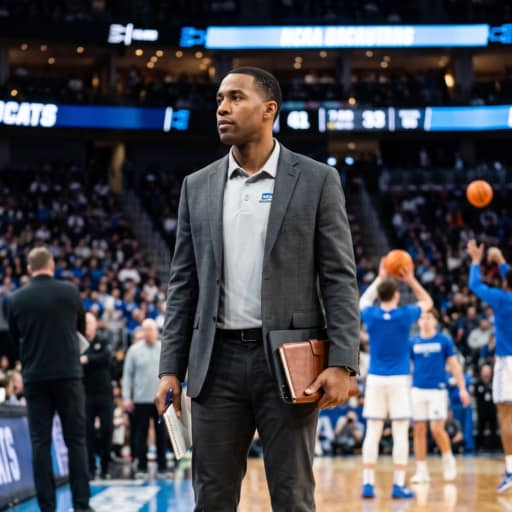
UIL Coaching Changes are never just a nameplate swap on an office door. In a Texas girls basketball program, a new head coach can change practice language, parent trust, middle school buy-in, offseason expectations, and the way a young player sees her place in the game.
I have spent enough nights in Texas gyms to know the transition starts before the first tip. It starts when seniors wonder if their role still matters. It starts when eighth graders ask whether the high school staff will still know their names. It starts when assistant coaches decide whether the new voice gives them room to grow. That is why leadership turnover in UIL girls programs carries a cultural weight that does not show up in a box score.
As of September 17, 2026, the strongest supported statewide signals point to two truths at once: coaching stability has improved in some areas, and representation in leadership still matters deeply. The numbers help frame the story, but the real measure is found in gyms from the Panhandle to the Rio Grande Valley, where a coach’s staying power can shape a program’s confidence.
Why UIL Coaching Changes Hit Girls Programs Differently
How UIL Coaching Changes Affect The Locker Room
Every coaching transition asks players to learn a new basketball language. A coach may keep the same press, the same horns set, or the same weight room schedule, but the tone changes. One coach may teach through sharp correction. Another may teach through questions. Neither approach is automatically right or wrong, but girls programs often rely on years of trust built between varsity players, sub-varsity athletes, middle school coaches, and families.
UIL Coaching Changes can create energy. A new coach may bring cleaner practice habits, clearer roles, or a renewed commitment to player development. They can also create uncertainty if the handoff is rushed. The danger is not change itself. The danger is losing the shared standards that helped a program become more than five players on the floor.
In Texas, UIL Coaching Changes often ripple through a whole town. In small communities, the head coach may teach history, drive the bus, run summer camp, open the gym before school, and know three generations of one family. In larger districts, the coach may be the bridge between club basketball, freshman teams, athletic coordinators, and college recruiting conversations. Either way, leadership is personal.
Continuity Is A Basketball Skill
We talk about ball handling, shooting, help defense, and rebounding as skills. Continuity is a skill, too. Programs that keep coaches long enough to teach the same habits across grades tend to give players a clearer path. A sixth grader hears the same terms she will hear as a sophomore. A junior varsity post player understands what the varsity staff wants before she is thrown into a district game.
That does not mean a program should fear change. Sometimes a transition is needed. But good transitions protect language, relationships, and standards. They give returning players a voice without asking them to run the program. They allow assistants to carry memory forward. They also give the new coach enough authority to set direction without erasing the people who built the foundation.
Retention Numbers And The Culture Of Trust
District Stability Shows Up Before Tipoff
A December 23, 2025 report from MyCoachingTree, in collaboration with THSCA and UIL, found that the percentage of Texas coaches staying in the same school district rose from 70.3% to 74.8% across the previous four academic years, from 2021-22 through 2024-25, according to the coach retention report. That matters for girls programs because retention is not an abstract human-resources figure. It is the difference between rebuilding trust every August and adding another layer to a culture already in place.
The same report found that 81.3% of coaches who left their school still stayed in the Texas education system in some capacity, and that 62% of coaches who left moved into non-coaching roles within the same districts, according to the coach retention report. That tells me many departures are not simple stories of coaches abandoning kids or schools chasing wins. Often, the issue may be role fit, workload, family strain, or whether the job gives a coach enough support to stay in the chair.
For girls basketball, that distinction matters. If a respected coach steps away but remains in the district, the program may still keep part of its memory. Former head coaches can become administrators, teachers, mentors, or quiet advocates for resources. But the team still needs a clean transition plan. Players should know who is leading them, what standards remain, and how the program will honor what came before without living in the past.
Destination Districts Set A Standard
The MyCoachingTree report also identified high-retention “Destination Districts” with average coach retention near 87.0%, connected in the research notes to balanced compensation, supportive working conditions, and cultures that reduce burnout. For UIL girls programs, those factors are not luxuries. They are part of competitive health.
A coach who feels supported can spend more energy teaching the game. A coach who feels stretched thin may still love the athletes, but love alone does not run a scouting report, build a summer schedule, supervise the weight room, and teach a full class load. Communities that want strong girls basketball should care about whether coaches have the support to remain present, prepared, and healthy.
- Players feel stability when expectations remain clear across multiple seasons.
- Assistants grow when districts treat them as future leaders, not spare parts.
- Families build trust when communication does not reset with every coaching move.
- Middle school programs connect when the varsity vision reaches younger athletes early.
Representation On The Sideline
Female Leadership And Daily Mentorship
The 2025 study “The Lived Experiences of Women in Positions of Athletic Leadership in Texas” reported that among more than 26,000 Texas High School Coaches Association members, only 16% were female; by contrast, the Texas Girls Coaches Association had more than 7,000 members and was 68% female, according to the UNT leadership study. Those figures show a sharp split between broad coaching leadership and the coaches most directly tied to girls sports.
Representation does not mean every girls team must be led by a woman to be successful. Texas has had, and still has, male coaches who pour heart, discipline, and care into girls programs. But representation does affect what athletes imagine for themselves. A girl who sees a woman manage a staff, argue a defensive adjustment, lead a program meeting, and command a gym sees leadership in a form that looks closer to her own future.
That matters during transitions. If a girls program has had a long-time female head coach, replacing her with a different leadership profile may change the mentorship dynamic. If a district hires a female assistant into the head role, it may send a powerful message to younger coaches and players. The best programs do not treat representation as window dressing. They connect it to teaching, trust, and opportunity.
We have seen similar themes of trust, compliance, and player growth in local program resets led by Texas girls coaches, where the work is less about slogans and more about steady habits inside the gym.
The Community Impact Of A Coaching Handoff

Parents, Alumni, And The Memory Of A Program
A girls basketball program carries memory. Alumni remember who opened the gym. Parents remember who called after an injury. Younger sisters remember sitting behind the bench, waiting for their turn. When a coach leaves, that memory can become either a bridge or a wall.
The healthiest handoffs invite the community into the next chapter without letting the loudest voices run the team. A new coach has to listen, but not surrender the whistle. Alumni should be welcomed, but current players deserve the room to build their own identity. Parents should understand the plan, but the gym cannot become a town hall after every substitution.
As a coach, I believe the first 90 days matter. Not because all problems get solved, but because habits are set. Does the new coach meet middle school coaches? Does she or he sit with seniors before naming captains? Does the staff explain offseason expectations? Does the program protect academic standards as fiercely as late-game execution? These choices tell players whether the transition is organized or improvised.
Player Development After The Change
The worst kind of transition treats players as pieces from the previous staff’s board. The best kind evaluates each athlete with fresh eyes while respecting what she has already earned. A returning starter should not be promised anything. A reserve should not be buried because of last year’s role. The court has to become fair quickly.
For UIL girls basketball, player development is where culture becomes visible. A coach can talk about accountability, but the proof is in skill sessions, film review, conditioning standards, and how the twelfth player is taught. If only the stars receive instruction, the program is thin. If every player receives correction and care, the culture has a chance to last beyond one graduating class.
What UIL Coaching Changes Mean For Texas Girls Basketball
UIL Coaching Changes are not side stories. They are central to the health of Texas girls basketball because leadership determines whether a program feels temporary or rooted. The available research shows that many Texas coaches are staying in districts at higher rates than before, while women remain underrepresented in broader coaching leadership. Both facts should push communities to ask sharper questions.
Is the district building a job a good coach can keep? Are assistants being prepared to lead? Are girls seeing enough women in visible athletic authority? Are families giving the new staff space to coach while still holding leaders to clear standards? Those questions matter in Austin, Amarillo, Houston, Lubbock, San Antonio, the Valley, East Texas, and every two-lane-road town where the gym lights still pull people together.
Texas basketball has always been about more than the final score. A coaching change can shake a program, but it can also renew it. If the transition protects trust, honors player development, and treats girls programs as community pillars, the next coach does more than inherit a team. That coach inherits a responsibility.