

The midrange jumper is often said to be dead, but it’s alive and well in Texas. A certain star from Texas is like the key to understanding modern big-man play. His skills are as deep as the Hill Country’s aquifers.
This isn’t just looking back at the past. It’s about seeing why the elbow jumper is valuable today. Players have moved away from the basket, losing the skills that made them unstoppable.
This player never left the midrange. He turned a 15-foot fadeaway into a key part of his game. Today’s big men can learn a lot from his approach.
His patience, footwork, and confidence are lessons for all. This article will take you from Texas high school gyms to NBA practice facilities. We’ll explore his journey from the low block to the pick-and-pop.
Shot chart the 15–18 foot pick and pop and elbow angles
The 15-to-18-foot zone on a shot chart is like a puzzle, and LaMarcus Aldridge had the pieces to solve it. This area, often called basketball’s purgatory, is where geometry meets strategy. It’s a key spot because the pick and pop is very effective here.
Imagine the elbow extended creating angles that freeze defenders. They’re stuck deciding whether to block the roller or the jumper. Aldridge knew how to use this to his advantage, working well with Damian Lillard.
Looking at the tape, you see Aldridge’s subtle shoulder turn before popping. That half-second pause is a lesson in deception. The defender’s hips show their confusion, unsure of what to do.
The elbow angle also opens up a passing lane to the corner. This is something a top-of-the-key pick can’t offer. Are we teaching this in today’s game? Or are we just saying “spread the floor” without understanding the strategy?
Learning these angles can change how players play offense. By mastering the pick and pop, players become more versatile. They create chances for themselves and their teammates. This skill is key for anyone wanting to improve in modern basketball.
For more on Aldridge’s career and impact, check out his profile on Wikipedia.
Low post package jump hook counters short roll reads and passing
Imagine a painter with a brush; Aldridge wielded the low post like an artist, crafting masterpieces with every jump hook. The low post is like a special language in basketball. Aldridge spoke it fluently. His jump hook was unique, not needing to be like Kareem’s skyhook.
When a defender overplays the left shoulder, Aldridge spins baseline with grace. If they sag, expecting the power dribble, he delivers a face-up jumper before they can recover. This is post footwork as rhetoric—each move a rebuttal to the defense’s argument.
The short roll reads deserve their own dissertation. When Aldridge caught the ball at the nail after a screen, he processed information faster than a Bloomberg terminal. Is the weak-side corner defender creeping in? That’s a kick-out. Did the opposing center commit to the ball? That’s a dump-off to the dunker spot.
The passing itself was never flashy—Aldridge wasn’t Jokic—but it was punctual. The ball arrived exactly when it needed to, which is the difference between an assist and a turnover. Post footwork isn’t about memorizing moves; it’s about developing a nervous system that feels pressure and responds with the appropriate counter.
Can you teach that? Partially. The rest is reps and a willingness to look ugly while learning. For those interested in Aldridge’s transition to the Spurs, check out this insightful piece on how he fits into the team.
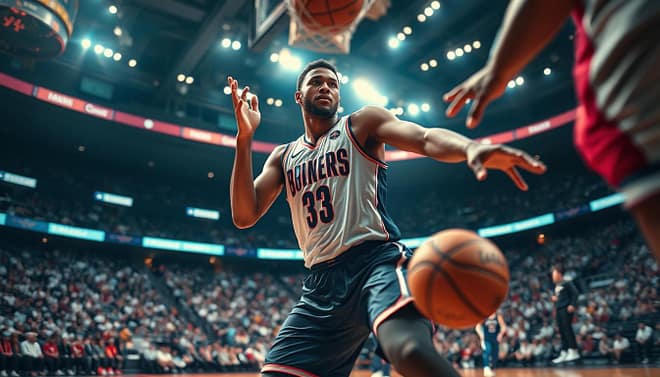
Strength and mobility for tall frames back hip and ankle care
Being tall in basketball is like owning a classic car; without proper maintenance, it won’t run smoothly. Tall athletes, known as the UT big man, need special care for their unique frames. They are not just impressive to look at; they are complex structures that need careful attention to stay effective on the court.
Back care for a seven-footer isn’t optional; it’s essential. The difference between a ten-year prime and a “what could have been” story often hinges on body maintenance. The hips, often considered the engine of movement, play a vital role. When they seize up, the jump shot flattens, and the defensive slide becomes a liability.
Training regimens that prioritize hip mobility can be the game-changer. Aldridge’s approach, which included yoga and Pilates, showcases the importance of flexibility and strength. It’s a regimen that would make a 5’9″ accountant wince, yet it’s essential for those towering over their competition.
Equally important is ankle care. The relationship between big men and ankle injuries is more toxic than a reality TV couple. The torque generated by a 250-pound frame landing after a contested rebound is a physics lesson in action. Smart programs that produce UT big men who stick in the league treat prehab like a religion.
Here’s a quick look at some essential care practices:
| Body Part | Care Technique | Frequency |
|---|---|---|
| Back | Stretching and Strengthening | Daily |
| Hips | Mobility Exercises | 3-4 times a week |
| Ankles | Foam Rolling and Activation | Before workouts |
These techniques may seem boring, but they are essential. Just ask Greg Oden—oh wait, you can’t; his career was over before Aldridge hit his prime. Maintaining a tall frame is not just about height; it’s about understanding the mechanics of your body and investing in its longevity.
Rebounding and rim protection timing positioning and contest control
Rebounding is more than just effort. It’s about timing and where you stand. Many think it’s just who wants the ball more. But coaches know it’s much more complex.
LaMarcus Aldridge showed how to rebound well. He wasn’t always the first to grab the ball. But he knew how shots would bounce off the rim, based on where they came from. He could predict these paths like a weather expert.
Rim protection is another challenge. Aldridge wasn’t a big leaper like Dikembe Mutombo. But he learned to stand tall and block shots carefully. It’s like a surgeon using a knife, very precise.
Timing is key. Young bigs often jump too soon or too late. Aldridge had a perfect timing, thanks to lots of practice against fast finishers.
For bigs in Texas, Aldridge’s way is a guide. Defend first with your feet, then with your brain. Use your hands only when you must.
| Aspect | Description | Importance |
|---|---|---|
| Timing | Understanding when to jump for the rebound or contest a shot. | Crucial for effective defense and minimizing fouls. |
| Positioning | Being in the right place at the right time to secure the ball. | Maximizes rebounding chances and defensive effectiveness. |
| Contest Control | Learning to contest shots without fouling. | Maintains defensive integrity and prevents free throws. |
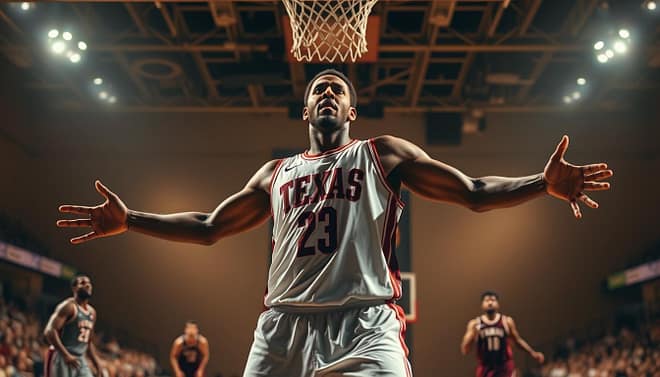
Film study three plays showing spacing seals and pop timing
Let’s dive into the tape to uncover the artistry behind Aldridge’s game. Film doesn’t lie; it reveals the subtle nuances that define a master. In this section, we’ll analyze three key plays that highlight his skills in spacing, sealing, and pop timing.
Play One: In the 2014 Western Conference Semifinals, Aldridge scored 43 points against the Houston Rockets. Watch as he uses a subtle hip check to create space. This isn’t luck; it’s using physics to his advantage. The elbow jumper that follows is just a formality, thanks to the groundwork laid beforehand.
Play Two: Next, we look at a pick-and-pop with Damian Lillard against Oklahoma City. Aldridge moves to 17 feet, catching the ball in perfect rhythm. He releases the shot before Steven Adams can decide what to do. The spacing is precise, showing his ability to find openings in the defense.
Play Three: Lastly, we see a play against Memphis. Aldridge catches on the short roll, drawing Marc Gasol’s help. Instead of rushing the pass, he makes a no-look dump-off to Robin Lopez for a dunk. The timing is key here; Aldridge waits until Gasol is past the point of recovery. This shows his game’s essence—making the defense react to him.
These three plays show different aspects of Aldridge’s game, all centered on his mastery of spacing and timing. Young bigs can learn a lot from him. For more tips on developing these skills, check out this resource.
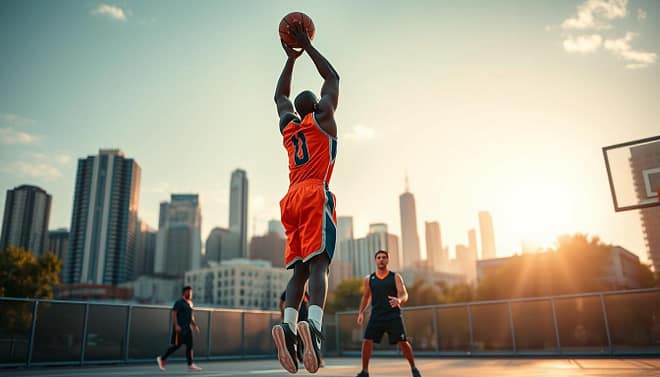
HS bigs copy plan drill stack and stretching the range to three
LaMarcus Aldridge’s journey from a high schooler to an NBA star is inspiring. It shows the importance of hard work and skill building. At Seagoville High School, he started with the basics, not flashy moves.
For high school bigs, the key is a solid drill stack. It’s not about being flashy but about mastering the basics.
Begin with shooting from 10 feet. It might seem dull, but it’s vital. Aldridge built his skills from the ground up, just like a building. You can’t start with the top floor first.
He then moved to three-point shots later in his career. This shows that even players from different eras can adapt. Learning to shoot threes takes time and patience.
High school bigs often want to shoot threes right away. But Aldridge’s path requires discipline. He focused on footwork, Mikan drills, and defensive slides.
These drills are essential for success. They help you move well in games with lots of switches.
| Drill Type | Focus Area | Repetitions | Purpose |
|---|---|---|---|
| Form Shooting | Shooting Mechanics | 100+ makes | Builds foundation |
| Footwork Drills | Pivot Foot Precision | 50+ repetitions | Enhances agility |
| Mikan Drills | Finishing | Until fatigue | Improves touch |
| Defensive Slides | Defensive Footwork | 30+ slides | Boosts defense |
In conclusion, becoming a versatile big takes time and effort. The foundation you build in high school is key. Aldridge’s path may seem slow, but it’s the only way to be ready for modern basketball.
Guard big chemistry pocket pass DHO timing and spacing rules
The relationship between guards and bigs is like a finely tuned watch. Each part must work together. When they do, the offense flows smoothly, leaving defenders behind.
The pocket pass is a key example of this teamwork. It’s not just about making the pass. It’s about trusting your teammate to be in the right spot at the right time.
Think of the pocket pass as a high-stakes game of catch. The big must present a target and decide whether to roll, pop, or slip. It’s a dance that requires precision and trust.
If the guard delivers the ball too early, the defense hasn’t committed. If it’s too late, the shot clock looms. Aldridge perfected the “late DHO” (dribble handoff), waiting until his defender overcommitted before sealing his position. This timing is key, opening up a world of offensive possibilities.
Spacing rules are the unsung heroes of this relationship. The guard needs a driving lane, while the big requires an escape route. When these geometries align, the offense hums like a well-tuned engine. But if they don’t, the paint gets clogged, and frustration builds.
To illustrate these dynamics, consider the following table, which outlines key aspects of guard-big interactions:
| Aspect | Guard’s Role | Big’s Role |
|---|---|---|
| Pocket Pass | Deliver the ball with precision | Present a clear target |
| DHO Timing | Wait for the right moment | Seal off the defender |
| Spacing | Create driving lanes | Find escape routes |
The partnership between Aldridge and Lillard showed this chemistry in action. Their understanding of spacing and timing allowed them to exploit defenses. Modern bigs who fail to grasp these dynamics risk being benched, regardless of their physical prowess. In today’s game, it’s not just about individual talent. It’s about how well you can work with your teammates.
Recruiting pitch for versatile bigs defense switchability and IQ
The way we recruit big men has changed. College coaches now focus on their basketball IQ, not just their height. Today’s players need to understand the game deeply.
Every team claims to prepare players for the pros. But what makes us different is our emphasis on smart play. We teach film study, defensive strategies, and how to switch positions. A tall player can become a game-changer with the right training.
Can a big man guard a quick guard and move smoothly? Can they understand an opponent’s game plan quickly? These skills are key to being more than just a tall player.
The importance of IQ in recruiting is often overlooked. But it’s vital for success on the court. Aldridge’s true talent wasn’t just his shooting. It was his ability to read the game and make smart moves.
| Key Attributes | Importance | Examples |
|---|---|---|
| Defensive Versatility | Allows switching on screens | Guarding multiple positions |
| Basketball IQ | Improves game understanding | Reading defenses effectively |
| Film Study | Enhances preparation | Recognizing opponent patterns |
Checklist for centers and PFs with seasonal goals
Building a solid game starts with a plan. For centers and power forwards, a checklist is key. It guides you to better skills. Begin with your post footwork.
Mastering the jump hook and up-and-under counter is a must. If your footwork looks like a dance, it’s time to simplify. This will help a lot.
Next, work on extending your range. Aim for a 70% shooting percentage from the elbows during practice. If you can’t hit this, keep practicing. Once you’re good at the elbow jumper, add the short corner three to your skills.
Defensive positioning is next. Record yourself defending pick-and-rolls. Check if you’re in the right spot and if your hands are active. Good communication is also important. Make sure your teammates can hear you calling out switches.
Building chemistry is vital. Practice two-man actions with your point guard. Work on the pocket pass and pick-and-pop until they’re second nature. This will improve your game.
Lastly, focus on game application. Track your midrange efficiency and assist rate from the post. Find areas to improve. Watch your game footage to spot three key moments that could have been better. Work on those.
The goal isn’t to be like LaMarcus Aldridge. It’s to become the best version of yourself. This checklist is your guide. Start your journey to mastering post footwork and becoming a complete player now.