

In basketball, few players have mastered tempo like the remarkable point guard from Houston. Born on March 24, 1983, he changed the game. His legacy inspires today’s floor generals.
His journey started at Willowridge High School. There, he led his team to a 75-1 record. They won two Texas Class 5A state titles and had a 62-game win streak.
But his high school success wasn’t the only thing that made him stand out. At the University of Texas from 2001 to 2003, he made history. He became the first freshman to lead the NCAA in assists, averaging 8.27 per game.
His achievements didn’t go unnoticed. He won the Naismith and John R. Wooden Awards in 2003. This helped the Longhorns reach their first Final Four in 1947.
Despite facing spinal stenosis, he played with urgency. Drafted eighth overall in the 2003 NBA Draft, he left a lasting impact. This article will show how his tempo control is a blueprint for aspiring point guards.
High school to UT rise court mapping and tempo mastery
TJ Ford’s journey from Willowridge High School to the University of Texas is a lesson in basketball tempo and court awareness. At Willowridge, Ford was more than a player; he was a conductor. He led his team to a 75-1 record in his last two seasons and a 62-game win streak. They won two Texas Class 5A state titles.
But what’s even more amazing is that he did this while battling spinal stenosis. This condition would stop most athletes before they even got to prom.
Ford’s time at Willowridge was about more than just winning. It was about learning to read defenses like a chess player. He could anticipate their moves before they happened. When he got to the University of Texas, he was ready.
Coach Rick Barnes told him, “Drive fast, don’t crash.” And drive he did. Ford became the first freshman to lead the nation in assists, averaging 8.27 assists per game.
Every freshman point guard in Division I basketball has tried to follow in Ford’s footsteps. But none have succeeded like he did. His mastery of tempo was not just about speed. It was about executing plays at the perfect moment.
This skill was key during the 2003 Final Four run. Texas hadn’t been in the Final Four in 56 years. Ford’s ability to elevate his teammates and keep defenses guessing was the key to their success.
Ford’s story is a testament to his talent and determination. For more on his impact on Texas basketball, read this article on TJ Ford’s role in Texas success.
Strengths acceleration handle vision floater game decision speed
In the fast-paced world of basketball, TJ Ford’s skills are nothing short of a masterclass. His point guard acceleration is legendary, earning him the title of the fastest player in the NBA according to a 2007 Sports Illustrated survey. Imagine being so quick that your peers, 271 of them, unanimously agree on your speed. That’s Ford for you.
But speed alone doesn’t make a player great. Ford had a unique ability to combine his acceleration with precision. He could lull defenders into a false sense of security, casually dribbling before suddenly exploding into the lane. It was like watching a magician pull a rabbit out of a hat—unexpected and mesmerizing.
Now, let’s talk about vision. Ford’s ability to see plays develop was often compared to legends like Magic Johnson and Larry Bird. He had a vision drills basketball mentality, processing the court in wide-angle while others squinted through a telephoto lens. His career-high 18 assists against the Knicks in 2007 was a testament to his decision speed basketball. Every pass was perfectly timed, arriving not where the receiver was, but where they needed to be.
Then there’s the floater game. In an era where small guards faced the daunting task of finishing at the rim or settling for predictable pull-ups, Ford introduced a floating teardrop that became his signature move. It was a geometric middle finger to shot-blockers, a way to score without fear. Floater game guards can learn a thing or two from his approach.
In summary, TJ Ford’s blend of speed, vision, and decision-making created a style of play that was both thrilling and effective. He wasn’t just a player; he was a phenomenon that transformed the expectations of what a Longhorns PG could achieve on the court.
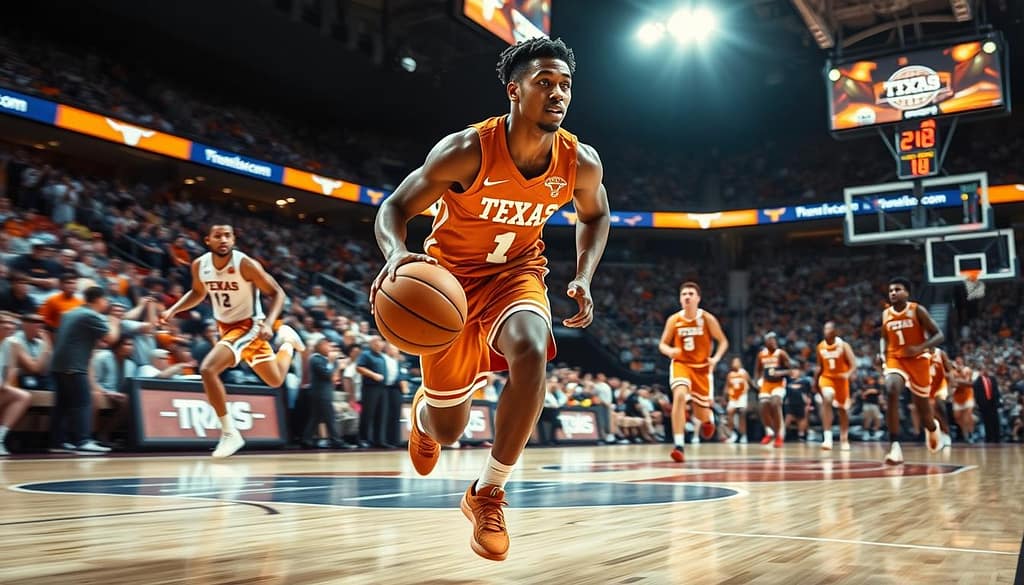
Practice menu push pace outlets 3 read PnR drills and finishes
The path to basketball greatness is paved with hard practice. A good practice menu is key. It should guide the modern point guard, not just list tasks.
Begin with outlet passing drills. These drills are about quick passes, not just throwing the ball. Imagine passing to spots, not just people. This makes the guard a step ahead, starting the fast break early.
Then, focus on pick and roll reads. Guards need to anticipate well. It’s not just about the screener’s defender. They must understand the whole defense.
The PnR drills point guard should learn to spot three things: the drop defender, the tag defender, and the weak-side rotation. This knowledge turns a good player into a great one.
Don’t forget pace push drills. These drills are where the magic is. They teach guards to control their speed and rhythm. Ford knew how to speed up and slow down at the right times.
Adding these drills to your practice menu is vital. Modern guards who ignore the basics are like playing jazz without learning the scales. Excellence starts with the basics.
Leadership voice huddles end game execution and captain habits
As the clock ticks down, the essence of point guard leadership shows in key moments. It’s not about loud speeches in the locker room. It’s about staying calm when the game is on the line. TJ Ford’s leadership in the 2006-07 season turned the Toronto Raptors into Atlantic Division champions.
Ford’s clutch performances, like the game-winning basket against the Clippers on December 20, 2006, and his overtime dominance against the Trail Blazers two days later, showcased his ability to execute under pressure. These moments weren’t just about personal glory; they highlighted the critical nature of end game execution in basketball. It’s about making the right decisions swiftly, ensuring that the defense never has a chance to regroup.
In the huddles, Ford’s communication was razor-sharp. He processed the next three possessions while teammates caught their breath. This huddle communication in basketball is vital. A point guard must convey strategy and confidence, ensuring everyone is on the same page as the game progresses.
But leadership comes with its challenges. Ford’s conflict with coach Sam Mitchell during the 2008 playoffs over closing lineups shows the complexities of captaincy. This friction is a reminder that true leadership often involves navigating messy situations. For young guards, understanding that captain habits can sometimes lead to disagreements is key for their growth.
In conclusion, effective leadership for a point guard is about more than just skill; it’s about being a steady presence when it matters most. For insights on how to cultivate this leadership, check out this resource.
Health and comeback core and back care for guards
Let’s explore the world of guard health, where core strength meets the gritty reality of spinal stenosis. For many players, health is just a footnote in their stats. But for guards like TJ Ford, it’s the main event.
Ford was diagnosed with spinal stenosis before college. He faced a mountain of challenges. The infamous incident on February 24, 2004, against the Timberwolves wasn’t just a slip; it was a spinal cord contusion that would sideline him for the rest of the season. Missing 26 games and the entire following season, most players would have hung up their sneakers. But not Ford. He took the time to rebuild his body in Houston, working with John Lucas.
When he returned on November 1, 2005, he didn’t just play; he nearly achieved a triple-double with 16 points, 14 assists, and 9 rebounds. It felt less like a comeback and more like a resurrection. This shows the importance of core care for point guards. It’s not just about looking good in a jersey; it’s about building a muscular scaffolding that protects the spine during the high-speed decelerations typical of point guard play.
Ford’s journey didn’t end there. The December 2007 incident against the Hawks, where he was stretchered off after a flagrant foul, should have been the final chapter. Instead, he returned just two months later, showing resilience that many would envy. Even the stinger from Baron Davis in 2012, which ultimately led to his retirement, was not a sign of weakness but a man listening to his body.
His view on his spinal issues being “a blessing in disguise” isn’t just a cliché; it’s a profound understanding of the battle he faced. For modern guards, maintaining guard health is not just about avoiding injuries; it’s about preparing for them. Core stability, back care, and the mental fortitude to push through are essential components of a successful career.

Film breakdown advance pass vs dribble push middle or sideline triggers
Looking at TJ Ford’s film, we see a big difference between advance passes and dribble pushes. His vision drills made him a standout player. He could execute plays that left defenders confused.
Ford’s advance passes were more than just passing the ball. They set the game’s pace. In fast-paced offenses, like the Raptors, his passes were key. He aimed for precision, finding the right player at the right time.
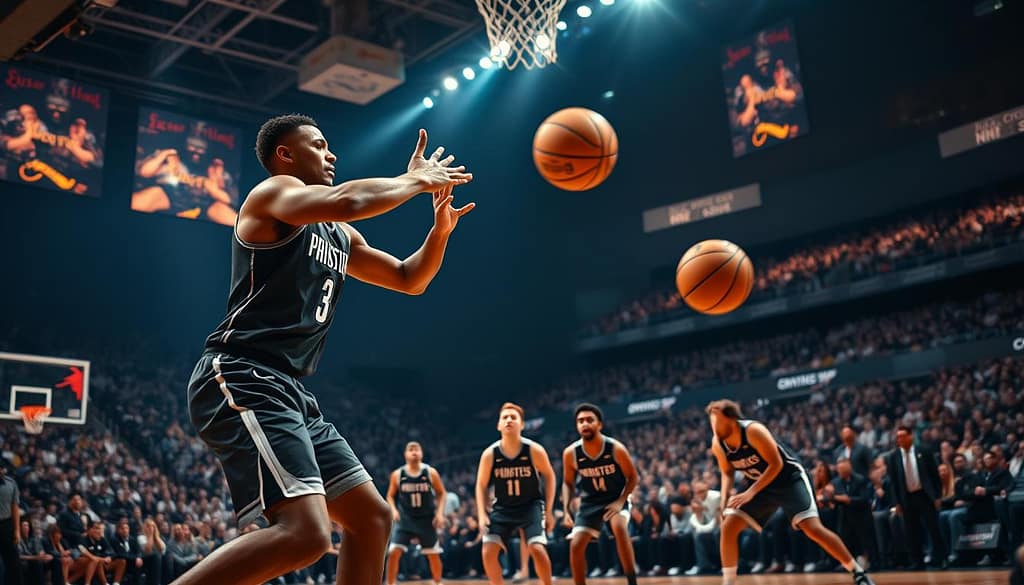
When Ford pushed middle, he didn’t just attack the paint. He pulled defenses apart, creating space for shooters. His sideline triggers, on the other hand, tricked defenses before they knew what was happening. It was like playing chess while others played checkers!
That game against the Knicks, where he had 18 assists? Many of those came from surprise advance passes. Today’s guards might focus on flashy moves, but Ford’s approach was better. The ball moves faster than any player can.
Teaching young guards to use sideline triggers and middle pushes can improve their game. It’s not just about instinct; it’s a skill that can be learned. So, aspiring point guards, watch more film than you practice shooting. The secrets are there, waiting to be found.
Weekly plan for HS PGs skills IQ weights recovery and study
A well-planned weekly training schedule is key for high school point guards. It’s not just about playing hard. It’s about growing, improving skills, and sharpening the mind. Think of it as building your basketball skills over time.
Here’s a look at a sample weekly training plan that mirrors the principles TJ Ford used during his own development:
| Day | Focus Area | Activities |
|---|---|---|
| Monday | Skills Work | Decision-making drills under fatigue |
| Tuesday | Basketball IQ Development | Active film study with critical questioning |
| Wednesday | Strength Training | Focus on posterior chain and core |
| Thursday | Recovery | Mobility work and light conditioning |
| Friday | Live Play | Scrimmages with specific constraints |
| Saturday | Game Day | Competitive scrimmaging |
| Sunday | Rest | Light study or complete rest |
On Mondays, work on skills that test decision-making when tired. Tuesdays are for learning basketball IQ through film study. Ask questions like, “What’s the defensive rotation here?”
Wednesdays focus on strength training, targeting the back and core. Thursdays are for recovery and mobility. Fridays add live play with specific rules to improve decision-making.
Saturday is game day or competitive scrimmaging. Sundays are for rest or light study. Remember, strength is important, as TJ Ford showed at 165 pounds.
A good recovery plan is vital. It can make a big difference in your career. Study the game to be more than just a player. It’s what separates the good from the great.
Recruiting fit questions for smaller guards and role clarity
If you’re an undersized guard, the recruiting process can feel intense. Your height might seem like a big issue. But, it’s not just about how tall you are; it’s about the questions you ask.
Start by asking college coaches, “How do you utilize your point guard in late-clock situations?” If they say they’ll use you only in certain situations, it’s a red flag. You want to know if they value your skills and how you fit into their team.
Also, ask, “What’s your offensive system’s pace philosophy?” Ford did well in fast-paced systems but struggled in slow ones. Knowing the pace of the game is key to your success.
Role clarity is vital for smaller guards. Ford knew Texas needed him to push the tempo, distribute, and score when needed. This clarity helped him become the National Player of the Year. It’s important to find a program that values your strengths.
The NBA Draft shows the value of finding the right fit. Ford was drafted eighth overall, alongside legends. Instead of focusing on height, ask if the program knows how to use your skills. Ford’s jersey retirement at Texas shows that the right fit is more important than size.
As a smaller guard, you should evaluate programs carefully. It’s your future at stake. The right questions can help you find the right fit.
Community impact camps clinics mentorship network and how to plug in
Basketball is more than just a game. It’s a journey that goes beyond the court. TJ Ford knew this early on. In 2004, he started the TJ Ford Foundation, creating a lasting legacy.
This foundation is a basketball mentorship network in action. It links young athletes with seasoned players. They share knowledge that shapes skills and character. Ford’s point guard camps clinics focus on talent and education.
His goal is to develop young athletes through youth basketball development. It combines physical training with life lessons. The foundation works with families and communities, helping young people grow.
For young players, joining this network offers growth opportunities. It’s about more than just playing basketball. It’s about building a better future.
Starting early and focusing locally is key, as Ford showed. Today’s young players should think about their community’s future. It’s not just about the next game, but about making a lasting impact.